
2026 Mid-Year Healthcare Construction Market Report
Healthcare facilities have always been about access to care. Today, they're also about financial sustainability, workforce strategy, and long-term community investment.
As healthcare organizations navigate changing funding models, shifting patient demand, workforce shortages, and evolving reimbursement policies, facility planning has become more strategic than ever. The question is no longer simply where to build, but what to build, who to build it with, and how every investment can create lasting value for both patients and the communities they serve.
Healthcare Construction Starts Long Before Groundbreaking
Every successful healthcare project begins with a series of strategic decisions.
Where is the greatest community need?
What services will be most in demand five or ten years from now?
How can every construction dollar deliver the greatest long-term value?
Can financing tools such as New Market Tax Credits (NMTCs) help make the project possible?
The answers to those questions determine more than what gets built. They help healthcare organizations decide where to invest, which communities to serve, and how to make every project deliver the greatest long-term impact.
By the time construction begins, many of the most important decisions have already been made.

Building Where Investment Matters Most
The need for healthcare infrastructure continues to be greatest in communities already facing provider shortages.
Since 2019:
64% of Legacy's healthcare projects have been located in federally designated Primary Care Health Professional Shortage Areas (HPSAs).
89% have been located in Mental Health HPSAs.
29% have been located in Medically Underserved Areas and Populations (MUA/Ps).
Many of these projects have also utilized financing programs such as NMTCs, helping healthcare organizations bring critical facilities to communities where traditional investment can be more difficult.
Turning Change Into Opportunity
Healthcare is changing, and so are the decisions behind every new facility.
Recent Medi-Cal reimbursement changes may require some Federally Qualified Health Centers (FQHCs) to reevaluate how certain services are delivered and where future investments make the most sense. At the same time, demand for behavioral health services continues to grow, while pediatrics and maternal health remain stable opportunities for expansion.
For healthcare organizations, these shifts reinforce the importance of thoughtful facility planning. Market demand, patient demographics, financing strategies, and long-term operational flexibility all play a larger role in determining where and how healthcare facilities should be developed.
Programs like NMTCs can also help unlock projects in underserved communities by making critical healthcare investments financially feasible. Combined with market data and community health needs, these tools help organizations prioritize projects that can deliver both clinical and economic impact.
The opportunity isn't simply to build more healthcare facilities. It's to build facilities that are better aligned with the communities they will serve for decades to come.
Every Project Creates More Than Healthcare Access
The impact of healthcare construction begins well before the first patient walks through the door. Every project supports a network of local subcontractors, skilled trades, suppliers, manufacturers, and construction professionals who help bring healthcare infrastructure to life.
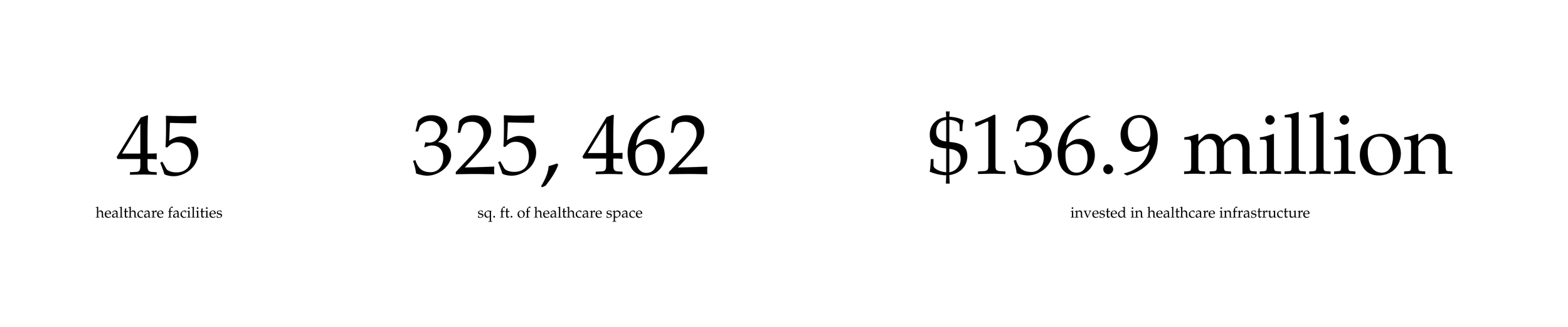
Since 2019, Legacy Construction has delivered:
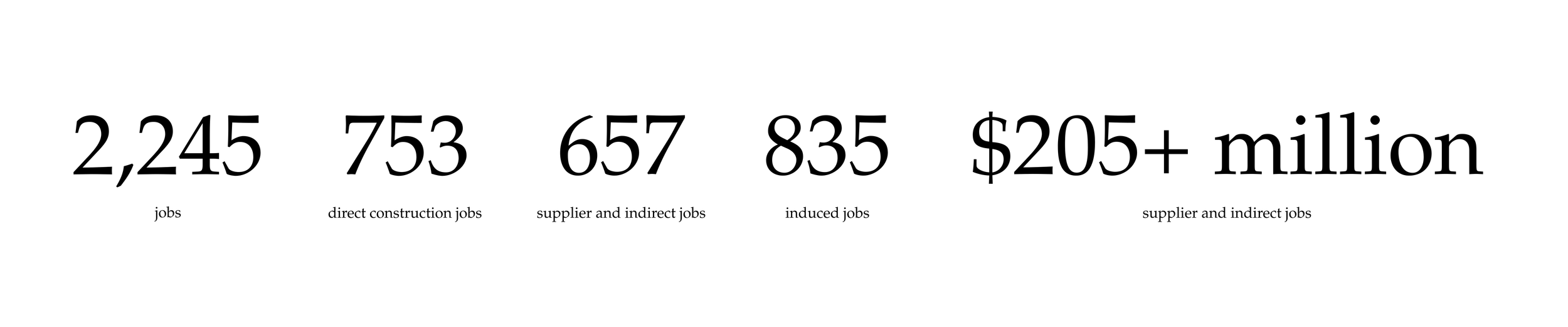
Using Economic Policy Institute employment multipliers, those projects are estimated to have supported:
Measuring Success Beyond the Ribbon Cutting
Today, healthcare providers operating within Legacy-built facilities collectively serve more than 324,000 patients each year, with 92.4% of those patients qualifying as low-income.
Approximately 1.35 million Central Valley residents live within reach of a Legacy-built healthcare facility, including nearly 478,000 low-income residents and more than 79,000 uninsured individuals.
Those numbers represent more than completed buildings. They represent families accessing care closer to home. Providers expanding services in underserved communities. Behavioral health resources reaching patients who need them. And healthcare organizations investing where they can make the greatest difference.
Building for What's Next
Healthcare construction is no longer just about delivering a building on time and on budget. It's about helping healthcare organizations make informed decisions before construction ever begins.
The strongest projects start with understanding the community, evaluating long-term market opportunities, aligning financing strategies, and bringing together the right partners to deliver facilities that will serve patients for decades.
As healthcare continues to evolve, the way we plan, design, and build healthcare facilities must evolve with it.